Introduction
House leveling House leveling Killeen is an essential process that ensures the stability and safety of a home. However, there are several misconceptions surrounding this topic that can lead to confusion and misinformation. In this article, we will debunk some of the most common misconceptions about house leveling to provide you with accurate information and help you make informed decisions about your home's foundation.
Common Misconceptions About House Leveling Debunked
Misconception 1: House leveling is only necessary for old or damaged homes.
It is a common misconception that only old or damaged homes require house leveling. In reality, house leveling may be necessary for any home regardless of its age or condition. Factors such as soil movement, poor construction, or natural disasters can cause foundation issues that need to be addressed through house leveling.
Misconception 2: House leveling is a DIY project.
House leveling is a complex process that requires professional expertise and specialized equipment. While there are some minor maintenance tasks homeowners can perform, such as filling small cracks, proper house leveling should always be done by experienced professionals. Attempting to level a house on your own can lead to costly mistakes and further damage to the foundation.
Misconception 3: House leveling is expensive.
The cost of house leveling varies depending on the severity of the foundation issue and the size of the home. While it is true that house leveling can be a significant investment, it is important to consider the long-term effects of leaving foundation problems unaddressed. Ignoring foundation issues can lead to more extensive damage and even compromise the structural integrity of the entire house.

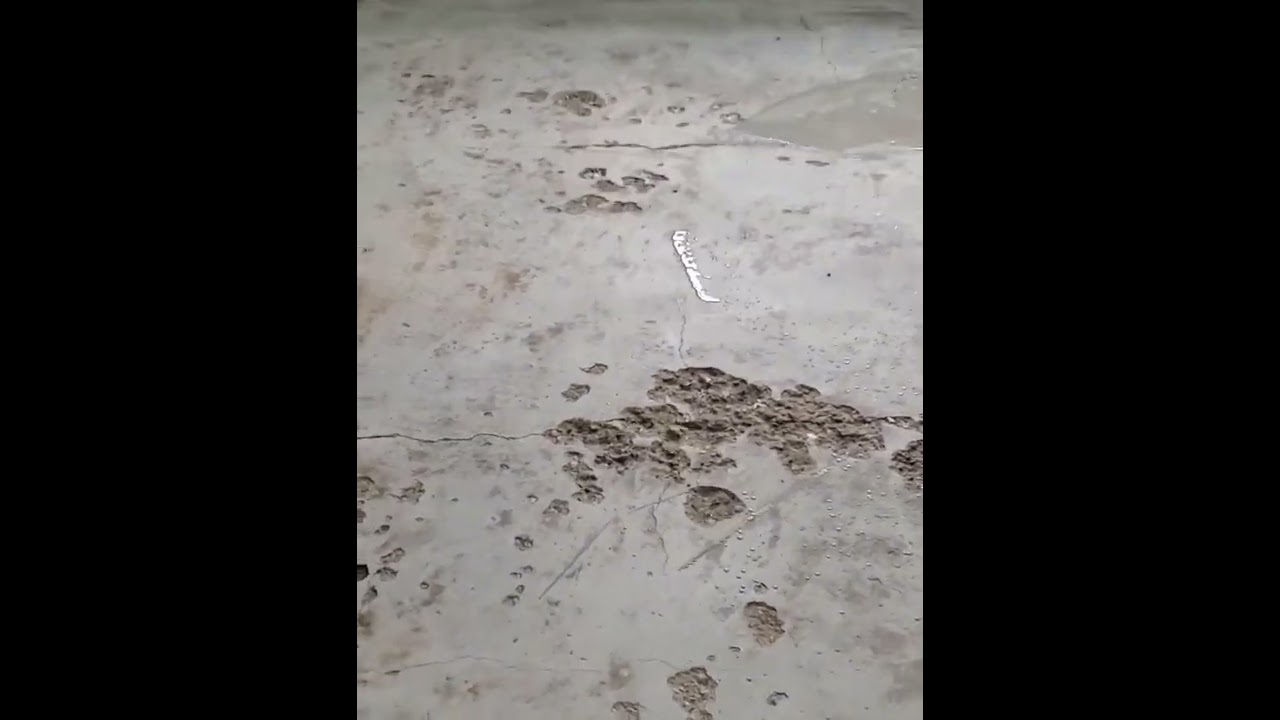
Misconception 4: Foundation repairs will solve all structural issues.
While foundation repairs are crucial for addressing structural problems, they may not solve all issues related to your home's structure. It is essential to have a comprehensive inspection conducted by a professional to identify any additional issues that may need to be addressed alongside foundation repairs. This may include issues with the framing, walls, or roof.
Misconception 5: House leveling is a one-time fix.
House leveling is not a one-time fix. It is an ongoing process that requires regular maintenance and monitoring. Even after foundation repairs are completed, it is important to monitor the foundation for any signs of movement or damage. Regular inspections can help detect any potential issues early on and prevent further damage.
Misconception 6: Foundation repairs will cause significant disruption to your daily life.
While Crown House Leveling Foundation Repair Inc. reviews foundation repairs do require some level of disruption, experienced professionals can minimize the impact on your daily life. They use advanced techniques and equipment to complete the repairs efficiently and effectively. Additionally, scheduling the repairs during a time when you can temporarily relocate or stay elsewhere can further reduce inconvenience.
Frequently Asked Questions About House Leveling
Q: How long does house leveling typically take? A: The duration of house leveling varies depending on the size and complexity of the project. Minor repairs may take a few days, while more extensive projects can take several weeks.
Q: Can I continue living in my home during house leveling? A: In most cases, homeowners can continue living in their homes during house leveling. However, there may be temporary inconveniences such as noise, dust, or limited access to certain areas.
Q: Can house leveling fix all types of foundation problems? A: House leveling is effective for addressing many types of foundation problems, including uneven floors, cracked walls, and sticking doors/windows. However, severe structural damage may require additional measures beyond house leveling.
Q: How often should I have my home's foundation inspected? A: It is recommended to have your home's foundation inspected at least once every few years, even if you don't notice any visible signs of damage. Regular inspections can help identify potential issues early on and prevent costly repairs in the future.
Q: Can house leveling increase the value of my home? A: Yes, addressing foundation issues through house leveling can increase the value of your home. A stable foundation is a crucial aspect of a property's structural integrity and can be an attractive selling point for potential buyers.
Q: What are the signs that my home may need house leveling? A: Signs that your home may need house leveling include uneven or sloping floors, cracks in walls or ceilings, sticking doors or windows, and gaps between walls and floors.
Conclusion
House leveling is an important process that ensures the stability and safety of your home. By debunking common misconceptions about house leveling, we hope to provide you with accurate information and help you make informed decisions when it comes to maintaining your home's foundation. Remember to consult with experienced professionals for any foundation concerns and prioritize regular inspections to prevent costly repairs in the future.